


Climate chambers for laboratories, research and industry
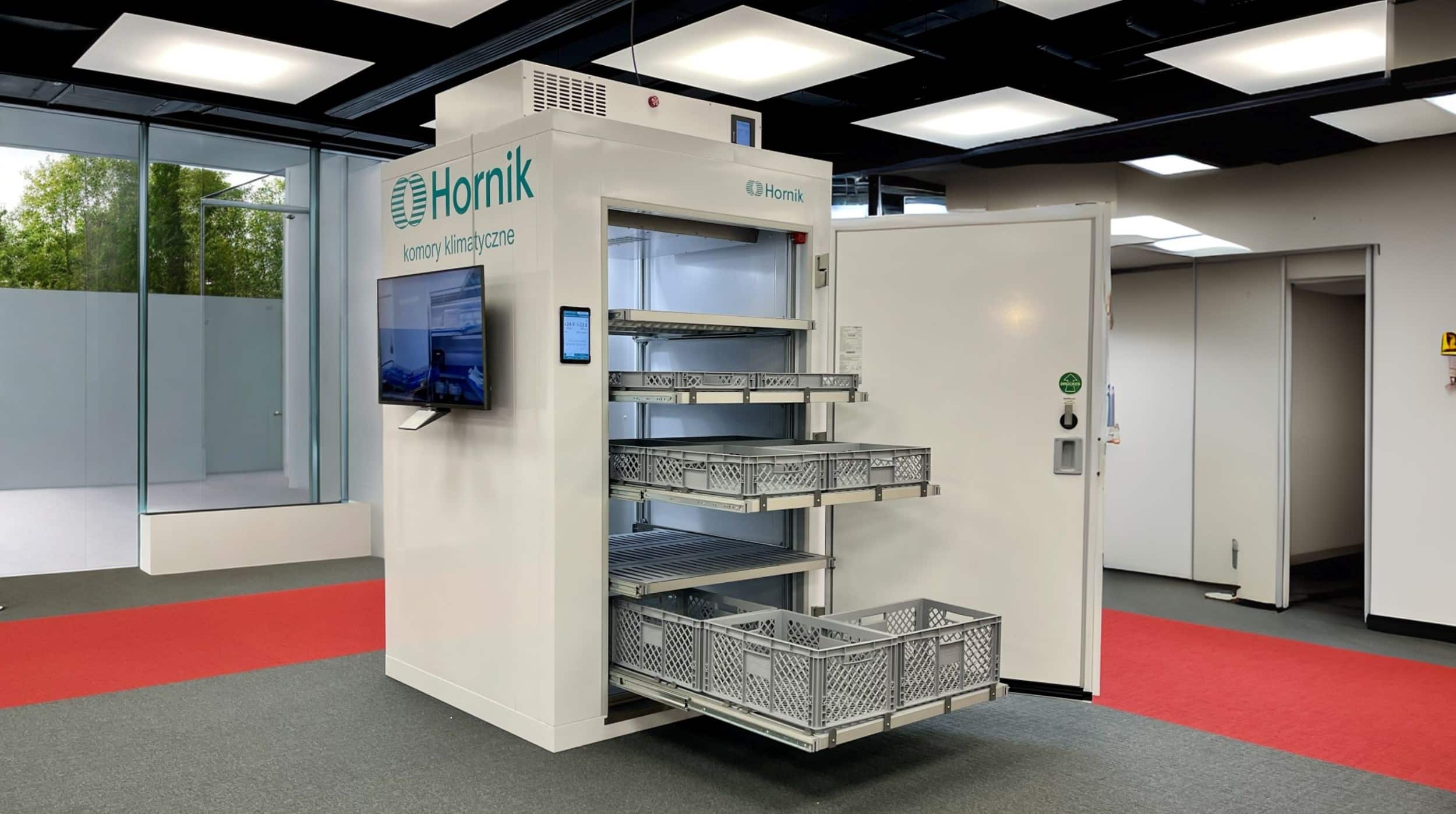
Climate chambers create controlled temperature and humidity conditions for testing, research, development and quality assurance. Hornik supports companies, universities and research institutions in selecting, planning and implementing suitable climate chamber solutions, ranging from compact systems to individually designed installations.
What are climate chambers?
Climate chambers are technical systems used to generate and reliably maintain defined environmental conditions. These mainly include temperature, humidity and, depending on the application, other climatic influencing factors. They are used to test, store or develop materials, products, components, samples or processes under controlled conditions.
Typical areas of use include research and development, quality assurance, product testing, material testing, laboratory processes and applications in pharmaceutical or industrial environments. Depending on the task, climate chambers can be compact, modular, walk-in or designed as customised special solutions.
The right climate chamber does not depend only on the required temperature or humidity range. The size of the test item, loading, airflow, installation situation, required documentation, operation, maintenance and the subsequent test sequence are also decisive. That is why a good climate chamber project does not begin with a standard product, but with precise technical clarification.
Typical applications of climate chambers
Climate chambers are used wherever stable and reproducible environmental conditions are required. The requirements vary significantly depending on the industry, test specimen and process. For some applications, a compact chamber is sufficient. Others require larger systems, walk-in solutions or individually planned systems.

Climate and environmental simulation
In climate and environmental simulation, products, materials or components are exposed to defined temperature and humidity conditions. This makes it possible to test how a product behaves under changing or constant climatic conditions. This application is particularly relevant for development, quality assurance and technical approval processes.
Material and product testing
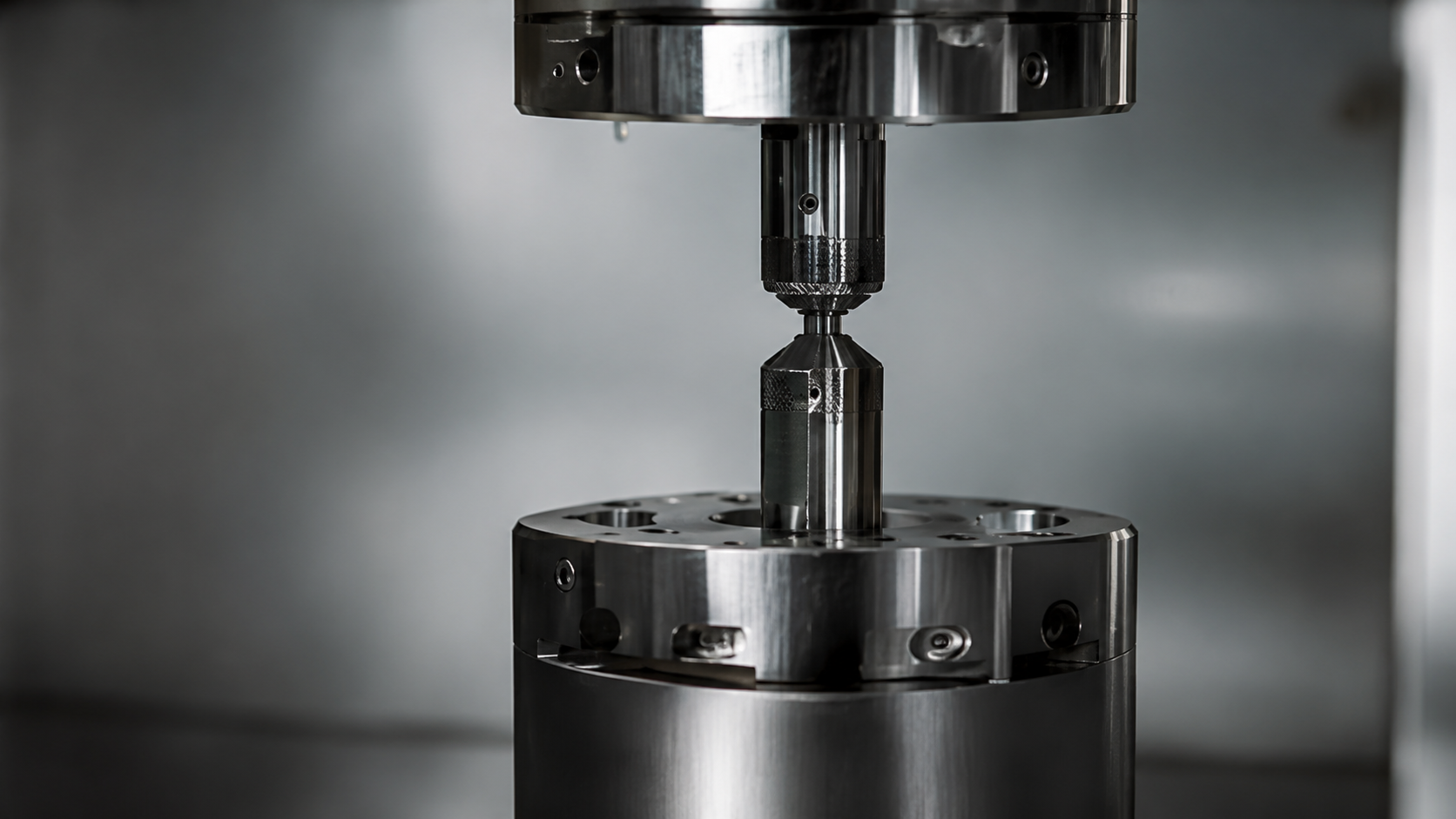
Climate chambers support material and product testing when components, materials or complete products need to be examined under stable conditions. The aim is to document changes, resilience or behaviour at specific climatic values in a traceable way.

Research and development
In research and development, climate chambers help make test conditions controllable. Universities, research institutes and development departments use them to achieve reproducible results and to test new materials, products or processes under defined conditions.
Laboratory and testing processes
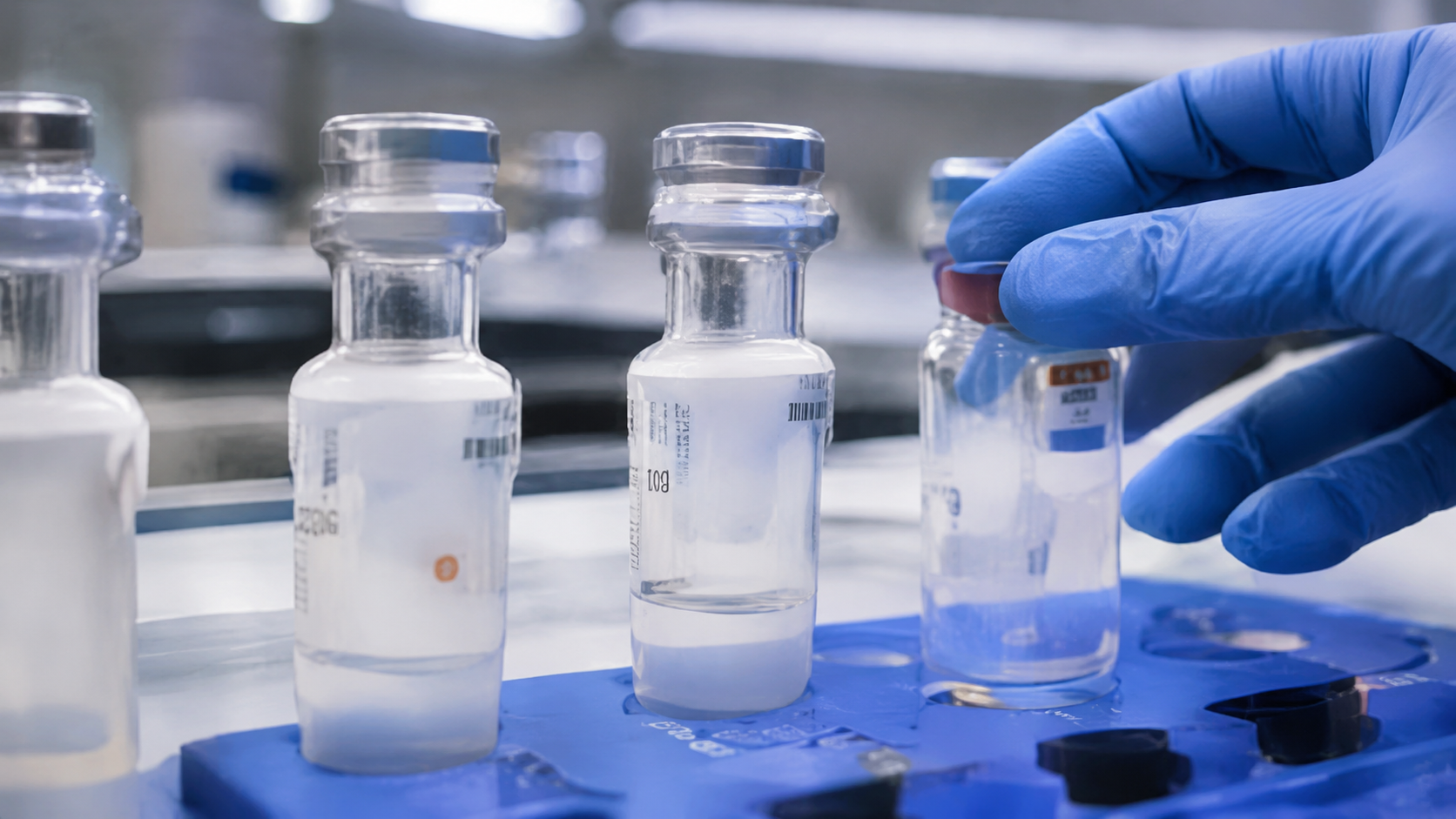
In laboratories, climate chambers are used when samples, test specimens or processes require a defined environment. This includes preparatory tests, storage, comparison tests and internal quality processes. Usability, process reliability and clean integration into existing laboratory workflows are especially important here.

Stability testing of pharmaceutical products
For pharmaceutical products, active substances and dosage forms, climate chambers are used to ensure controlled temperature and humidity conditions over defined periods. They support stability testing, storage processes and quality-related evaluations where reproducible conditions, monitoring and documentation are essential.
Which climate chamber fits your requirements?
What matters in technical planning
A climate chamber should always fit the application and later operation. That is why Hornik clarifies the most important technical and practical requirements before designing the solution. These include temperature range, humidity range, usable volume, loading, test material, air flow, installation situation, media connections and requirements for control or documentation.
The later location is also decisive. A climate chamber must not only function technically, but also fit into the available space, laboratory workflows or operational infrastructure. This includes transport routes, installation area, power supply, exhaust air, maintenance access and possible interfaces with existing processes.
The more precisely these points are clarified at the beginning, the more reliably it can be assessed which solution is technically sensible and economically suitable.
Short technical checklist
Why Hornik?
Hornik combines manufacturer expertise with practical experience in laboratory, research and industrial projects. Instead of looking only at individual components, we assess the entire application. This includes technical requirements, installation conditions, project workflow, later use and service.
Our climate chamber solutions are planned and implemented for customers in pharmaceuticals, universities, research and industry. Reliable technology, precise coordination and professional project handling are always at the centre of our work.
For you, this means you do not receive a generic recommendation, but a solution that fits your application and your specific framework conditions.
Frequently asked questions about climate chambers
Climate chambers are used to test, store or develop products, materials, samples or processes under controlled temperature and humidity conditions.
This depends on the test item, temperature range, humidity range, usable volume, installation situation and test sequence. A technical clarification helps narrow down the right solution.
A walk-in climate chamber makes sense when large test items, extensive loading or a walk-in test room are required.
A slide.in solution makes sense when a climate chamber needs to be integrated into existing laboratory, testing or process environments.
Useful details include information about the application, test item, temperature and humidity range, desired volume, location, test sequence and time frame.
Are you planning a climate chamber?
Tell us about your application, the required climate conditions and the installation situation. We will review your requirements and support you in selecting a suitable solution.